






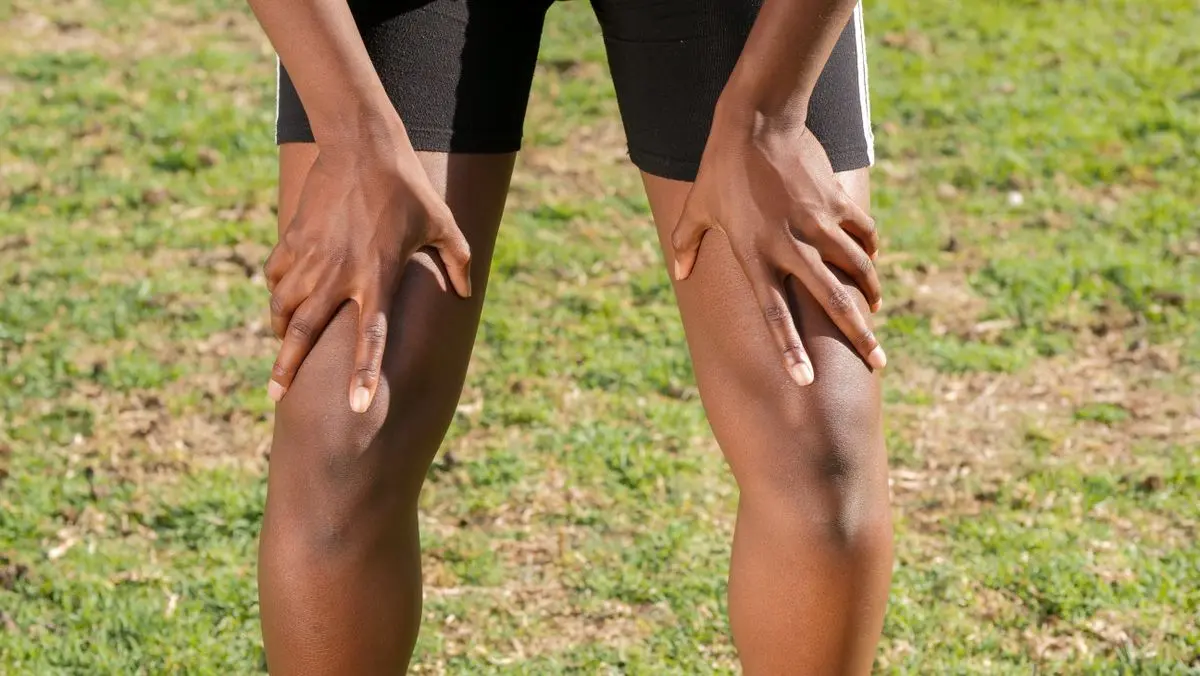
Can You Tear Your ACL in a Car Accident?
A sudden jolt in a car accident can do more than leave you shaken. It can place intense stress on your body in ways that are not immediately obvious. One of the more serious injuries that can result is a torn ACL, a key ligament that helps stabilize the knee. Yes, a car crash can cause a torn ACL when impact forces twist the knee, push it beyond its normal range of motion or trap the lower leg while the body moves. An ACL injury occurs when the ligament stretches far enough to tear. Sudden stops and uncontrolled movement can create this type of trauma.
At McNally Gervan, we examine how the collision happened, what the medical records show and how the injured ACL has affected daily life. Those facts shape an Ontario motor vehicle claim.
Can You Tear Your ACL in a Car Accident?
What Is an ACL Tear?
The anterior cruciate ligament ACL is one of the major ligaments in the knee joint. It connects the femur to the tibia, limits how far the shin bone moves forward and supports rotation and balance.
Although most ACL tears are discussed in relation to sports, similar forces can arise in a collision. The injury is common among athletes who pivot while playing sports or fall during downhill skiing.
Clinicians may grade ACL injuries by severity. The ligament may be mildly sprained, partly torn or fully ruptured. A complete tear can leave the knee unstable. The same impact may cause a torn meniscus, other ligament tears or damage to multiple ligaments. The diagnosis should account for those other injuries.
How Can a Car Accident Damage the ACL?
The ACL can tear when the foot stays fixed as the body shifts. This may happen when a driver braces or the leg becomes confined by the footwell. The resulting stretch can exceed the ligament’s capacity.
Hyperextension and side impact can also cause ligament damage. The mechanism must fit the collision evidence and medical findings.
Dashboard impacts require care. A direct impact to the front of a bent knee is more commonly associated with the posterior cruciate ligament. ACL damage may still occur if twisting or hyperextension is also present, and a diagnosis identifies the torn ligament involved.
Symptoms of an ACL Tear After a Collision
Common ACL tear symptoms include knee pain, swelling and instability. Movement may become restricted, leaving a limited range through the joint. A person may hear a pop or feel a distinct sensation.
It may be difficult to bear weight, and the knee may buckle. Reports of knee severe pain need medical context because fractures and meniscus injuries can also hurt.
These signs should be described accurately to a doctor, including when they began. The fact that most people can take a few steps after an injury does not identify the damaged structure.
How Is an ACL Tear Diagnosed?
Diagnosis usually begins with a collision history and physical examination. The clinician tests stability and compares both knees.
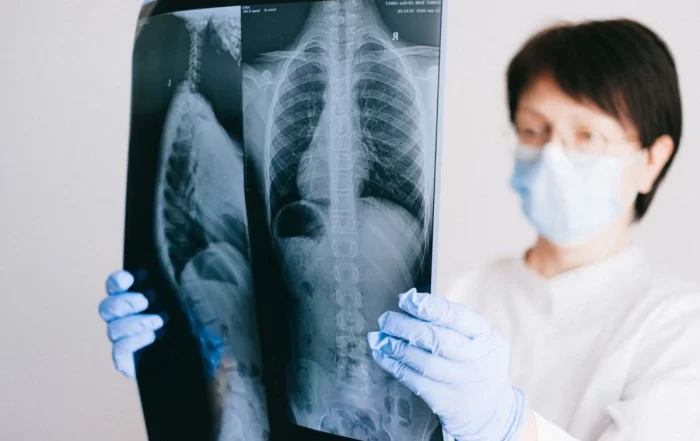
An MRI can show the ACL and surrounding tissue. It may reveal damage that could require meniscus repair. X-rays are commonly used to check for fractures.
The record should document the diagnosis and the severity of the injury. This matters when an insurer disputes causation or points to earlier knee problems.
How Is an ACL Tear Treated?
Treatment depends on stability, associated damage and the demands of work. Physical therapy may restore control and rebuild the knee’s strength. A physical therapist may guide movement as the swelling subsides.
Early care may include rest or a brace, though reconstruction may be recommended when instability continues. ACL reconstruction is often surgical and performed arthroscopically through a minimally invasive technique. A related meniscus injury may also need repair.
Every procedure carries risk, including infection and other complications. The time needed to recover varies. A partial tear may heal well enough for stable function with rehabilitation. No one can promise a full recovery.
How Can an ACL Injury Affect Daily Life?
An ACL tear can interfere with walking, stairs and driving. Physical work may become difficult when the job involves kneeling or lifting. Office work can also be affected by stiffness.
At home, patients may need help while mobility is reduced. Recreation may stop during treatment, and fear of the knee giving way can restrict movement after pain improves.
We look at lost independence, missed work and changes at home. This evidence often explains the loss more clearly than the diagnosis alone.
Can You Make a Claim for an ACL Tear After an Ontario Car Accident?
A person injured in an Ontario collision may have access to benefits through their own insurer. These can support treatment and rehabilitation, depending on the policy and circumstances. More information is available through our work with accident benefit claims.
A separate claim against an at-fault driver may address lost wages and supported medical expenses. Compensation for pain and suffering may also apply. Liability can depend on proof of the driver’s negligence.
For many victims, the claim develops while treatment continues. Each case depends on medical causation, insurance coverage and proof of loss. Our role as a car accident lawyer is to review those issues and present the claim on a sound evidentiary basis.
What Evidence Supports an ACL Injury Claim?
Medical records and imaging establish the diagnosis. Reports from specialists and rehabilitation providers explain treatment and continuing limits.
Collision reports and photographs may help show how the knee was injured. Employment records can document time away from work. Evidence from daily life can show changes in mobility.
Prior knee problems may also require review. The analysis should separate earlier symptoms from new injury or aggravation caused by the collision.
Speak With McNally Gervan About an ACL Injury Claim
A collision can tear the ACL, but the injury must be medically identified and connected to the crash through reliable evidence.
At McNally Gervan, we review the medical findings, collision evidence and insurance issues involved in knee injury claims. Contact our team to discuss your rights after an Ottawa or Ontario car accident.



Follow Us